The Campaign
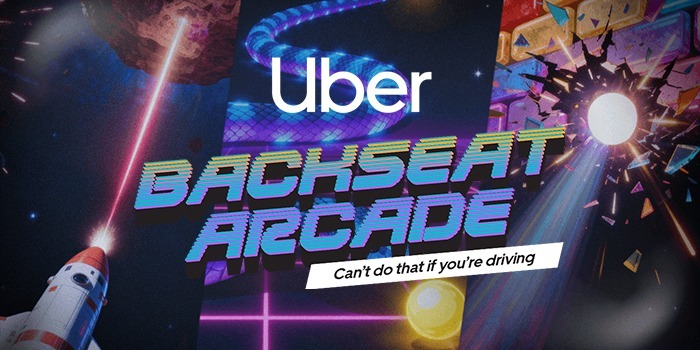
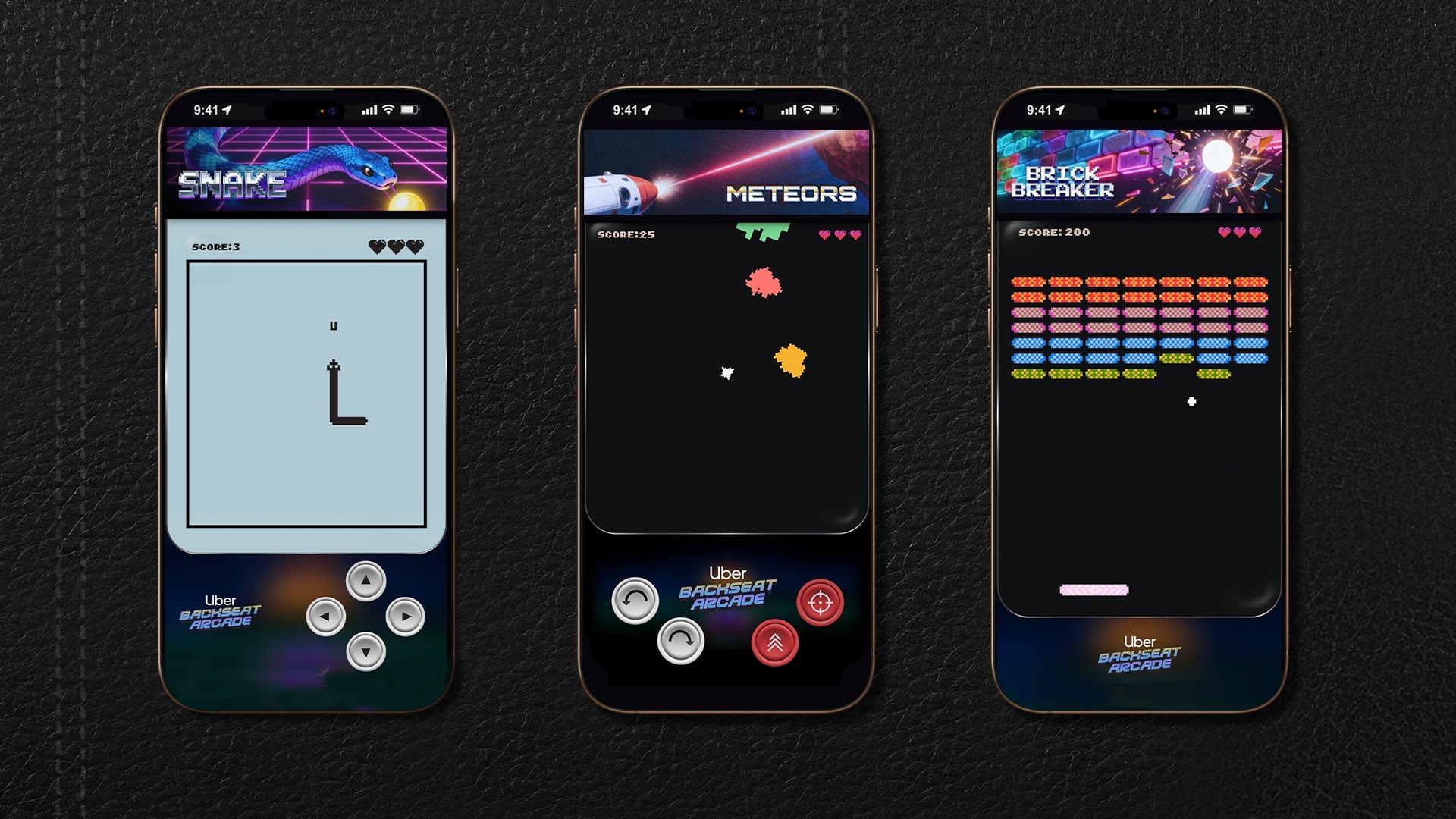
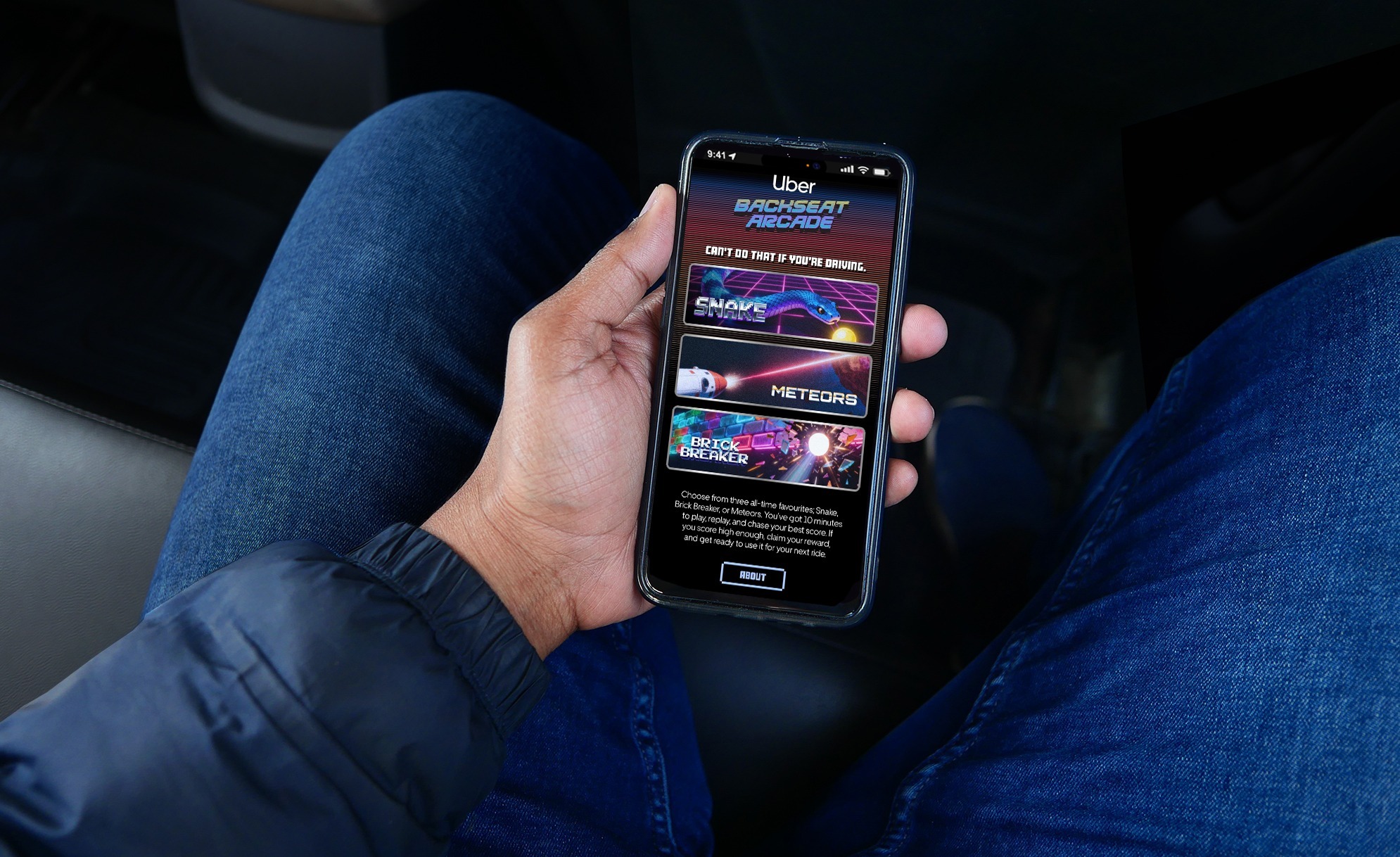
Uber Australia, working with creative agency Special, media partner EssenceMediacom, and gaming specialists Livewire, launched the Uber Backseat Arcade in January 2026 - an in-app gaming experience that let passengers play classic retro games (Snake, Meteors, and Brick Breaker) directly inside the Uber app during their ride.
The activation brought Uber’s “Can’t Do That If You’re Driving” brand platform to life in the most literal way possible: turning travel time into playtime, and rewarding riders for choosing Uber with a shot of nostalgia timed perfectly to the average four-minute urban trip.
The campaign generated strong industry press and was highlighted as a standout example of technology, creativity, and media strategy converging to create a genuinely memorable brand moment.
"By embedding these classic games directly into the Uber app, we're not just providing entertainment; we're creating a unique, memorable brand touchpoint that resonates deeply with the gaming community and beyond."
- Adam Fischer, General Manager APAC – Livewire
THE CHALLENGE
Embedding a live, interactive gaming experience inside an app used by millions of Australians demands backend infrastructure that's fast, fault-tolerant, and capable of scaling unpredictably. Latency issues or downtime during a ride would kill the experience - and reflect directly on the Uber brand.
OUR ROLE
Digital Dilemma designed and deployed the complete AWS infrastructure and server configuration required to power the Backseat Arcade backend - from compute and content delivery to database and monitoring - ensuring a seamless experience for every player, every ride.